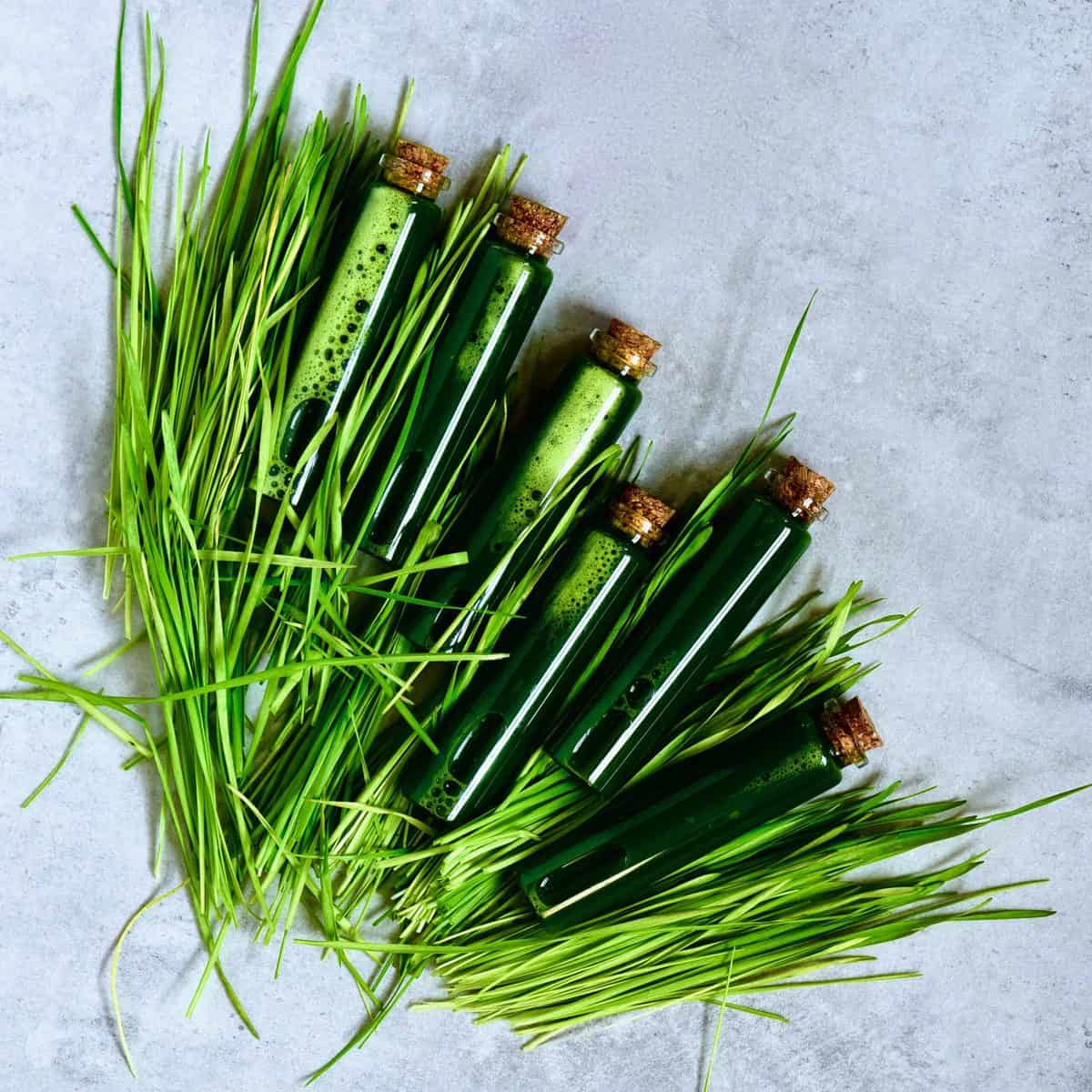
Wheatgrass: Your Daily Green Boost for Detox and Vitality
In a world constantly seeking natural remedies and powerful superfoods, wheatgrass stands out as a vibrant green elixir with a potent reputation. Often hailed as "liquid sunshine," this young grass from the common wheat plant (Triticum aestivum) is celebrated for its impressive nutritional profile and detoxifying capabilities. While many are aware of its health benefits, the thought of incorporating it into a daily routine, particularly how to make wheatgrass shots and juice at home, can seem daunting. Fear not! This comprehensive guide will not only unveil the incredible advantages of wheatgrass but also provide you with simple, actionable steps to craft your own potent shots and nourishing juice, empowering you to easily detox and revitalize your body.
What Exactly is Wheatgrass and Why the Buzz?
At its core, wheatgrass is simply the freshly sprouted leaves of a wheat plant, typically harvested when it's just 1-2 weeks old. Unlike the mature wheat grain, which contains gluten, wheatgrass in its juiced form is generally considered gluten-free, as the gluten is formed in the grain, not the young grass. Its vibrant green hue is a testament to its extremely high chlorophyll content – often making up 70% of its total solids. Chlorophyll, the green pigment in plants, is structurally similar to hemoglobin in human blood, leading some to refer to wheatgrass as "nature's blood purifier."
The buzz surrounding wheatgrass stems from its dense concentration of vitamins, minerals, amino acids, and enzymes. It's not just a supplement; it's a powerhouse of nature's finest ingredients packed into a small, potent package. Historically used in traditional medicine, it has gained modern recognition as a dietary supplement that can be consumed fresh, powdered, or even applied topically to soothe skin issues like blemishes and eczema.
Unlocking the Power: The Amazing Benefits of Wheatgrass
Consuming wheatgrass is like giving your body a concentrated dose of wellness. Its rich nutrient profile translates into a wide array of potential health benefits:
- Immune System Support: A daily shot of wheatgrass can significantly bolster your body's defenses. Packed with vitamins A, C, and E, along with a spectrum of amino acids and enzymes, it helps strengthen immunity, making your body more resilient against common illnesses.
- Potent Detoxification: This is arguably wheatgrass's most famous benefit. Its high chlorophyll content aids in flushing out toxins, heavy metals, and other harmful substances from your liver, colon, and bloodstream. It supports the liver's natural detoxification pathways, helping your body cleanse itself more efficiently.
- Rich in Antioxidants: Wheatgrass is an excellent source of antioxidants like glutathione, vitamin C, and vitamin E. These compounds combat free radicals, reducing oxidative stress and inflammation throughout the body, which can contribute to chronic diseases and premature aging.
- Digestive Health Boost: The enzymes present in wheatgrass, such as amylase and lipase, aid in the breakdown of fats and carbohydrates, promoting better digestion and nutrient absorption. It can also help alleviate issues like indigestion and constipation, fostering a healthier gut microbiome.
- Energy and Vitality: Many users report a noticeable increase in energy levels and a reduction in fatigue after regularly consuming wheatgrass. This isn't due to caffeine but rather the comprehensive nutrient delivery that oxygenates the blood and revitalizes cells.
- Anti-inflammatory Properties: The chlorophyll and other compounds in wheatgrass possess anti-inflammatory effects, which can be beneficial for those suffering from inflammatory conditions like arthritis or even general muscle soreness after exercise.
While often purchased in powder form, using fresh wheatgrass for juicing is highly recommended, as it retains a superior nutritional value compared to its processed counterparts.
Your DIY Guide: How to Make Wheatgrass Shots and Juice at Home
Embracing the benefits of wheatgrass doesn't require expensive juice bar visits. Making your own wheatgrass shots and juice at home is incredibly straightforward and cost-effective. Here’s how you can do it:
Preparing Your Wheatgrass
Whether you've grown your own wheatgrass (which is an excellent way to save money and ensure freshness) or purchased it from a health food store, a little preparation goes a long way:
- Source: Ensure your wheatgrass is vibrant green and free from any yellowing or signs of mold. If growing your own, harvest when the blades are tall and bright.
- Quantity: As a general guideline, about 300 grams of fresh wheatgrass will yield approximately 200-250 ml of juice. Adjust according to your desired batch size.
- Cleanse: Gently rinse your wheatgrass under cool running water to remove any dirt or debris. Pat it dry lightly with a clean cloth or paper towel.
- Cut: If the blades are very long, you might want to roughly cut them into smaller sections (e.g., 1-2 inches) to make them easier to handle, especially if you're using a blender.
Two Paths to Freshness: Juicer vs. Blender
The method you choose depends on your equipment and preferences. Both can produce a beneficial drink, but with slightly different characteristics.
1. The Juicer Method (Recommended for Purity)
If you own a juicer, especially a slow masticating juicer, this is the optimal method for extracting wheatgrass juice.
- Why a Juicer? Juicers, particularly cold-press or masticating models, are designed to squeeze out as much liquid and nutrients as possible, leaving behind a very dry pulp. This results in a highly concentrated, undiluted juice.
- Steps:
- Feed the prepared wheatgrass slowly into the juicer's chute.
- Collect the vibrant green juice in a glass.
- For maximum extraction, you can sometimes run the pulp through the juicer a second time, though this is often unnecessary with good juicers.
2. The Blender Method (Accessible & Beginner-Friendly)
Don't have a juicer? No problem! A high-speed blender can still get the job done, though the resulting juice will be slightly diluted.
- Why a Blender? Blenders are readily available in most kitchens. While they don't *extract* juice in the same way a juicer does, they effectively pulverize the wheatgrass, allowing you to separate the liquid.
- Steps:
- Combine your prepared wheatgrass with a small amount of filtered water in your blender. A good starting ratio is 1 cup of wheatgrass to 1/4 - 1/2 cup of water, but you can adjust for consistency.
- Blend on high speed until the wheatgrass is completely broken down and the mixture is a smooth, dark green liquid. This may take 30-60 seconds.
- Strain the mixture. Pour the blended liquid through a fine-mesh sieve, nut milk bag, or cheesecloth over a bowl or pitcher. Squeeze or press firmly to extract all the liquid, leaving the fibrous pulp behind.
- Discard the pulp and enjoy your fresh, albeit slightly diluted, wheatgrass juice.
For a deeper dive into the nuances of each method, including specific equipment recommendations and troubleshooting tips, check out our detailed guide: Make Wheatgrass Shots & Juice: Juicer vs. Blender Guide.
Tips for First-Timers and Enjoying Your Juice
Wheatgrass juice has a bold, intense, often described as "grassy" flavor. It's potent, and your body might need time to adjust.
- Start Small: For wheatgrass beginners, begin with just a 1/2 shot (about 30ml). Slowly increase your dosage over time as your body adjusts.
- Listen to Your Body: When you first start, you might experience mild side effects like a slight tummy upset, headache, fatigue, or nausea. This is often part of the detoxification process. If symptoms are severe, reduce your intake or consult a healthcare professional.
- Timing is Key: It's generally recommended to drink wheatgrass juice in the morning, on an empty stomach. Wait at least an hour before eating anything to maximize absorption and help avoid nausea.
- Mix it Up: If the taste is too strong, don't force it! Wheatgrass juice can be easily added to other juice blends (apple, ginger, lemon are great compliments), smoothies, or even mixed into salad dressings. This "dilutes" the flavor and makes it more palatable while still delivering benefits.
- Fresh is Best: While wheatgrass powder is available, fresh juice is always preferred due to its superior nutritional value and bioavailability. Aim to consume your fresh juice immediately after preparation to retain maximum potency.
- Beyond Drinking: Wheatgrass juice can also be used topically. Some use it in baths to soothe skin, reduce scarring, or calm insect bites and scratches.
Understanding Potential Side Effects and Precautions
While wheatgrass is generally safe for most people, its potent nature can sometimes lead to initial side effects, especially for new consumers. As mentioned, mild nausea, headaches, or stomach upset are not uncommon. These reactions are often attributed to the body's detoxification process as it rids itself of accumulated toxins. Starting with a smaller dose and gradually increasing it allows your body to adapt more smoothly.
It's crucial to always listen to your body. If you experience severe or persistent discomfort, discontinue use and consult a doctor. Individuals with pre-existing medical conditions, those on medication, or pregnant/nursing women should always speak with a healthcare provider before incorporating wheatgrass into their diet, just as they would with any powerful supplement.
Conclusion
Wheatgrass is a truly remarkable superfood, offering a concentrated dose of nutrients that can significantly support your body's detoxification processes, boost immunity, and enhance overall vitality. Learning how to make wheatgrass shots and juice at home is a simple yet powerful step towards a healthier lifestyle. Whether you opt for the efficiency of a juicer or the accessibility of a blender, the benefits of fresh wheatgrass are within your reach. By starting small, listening to your body, and exploring creative ways to enjoy this green elixir, you can effortlessly integrate this natural powerhouse into your daily routine and experience its transformative effects.
