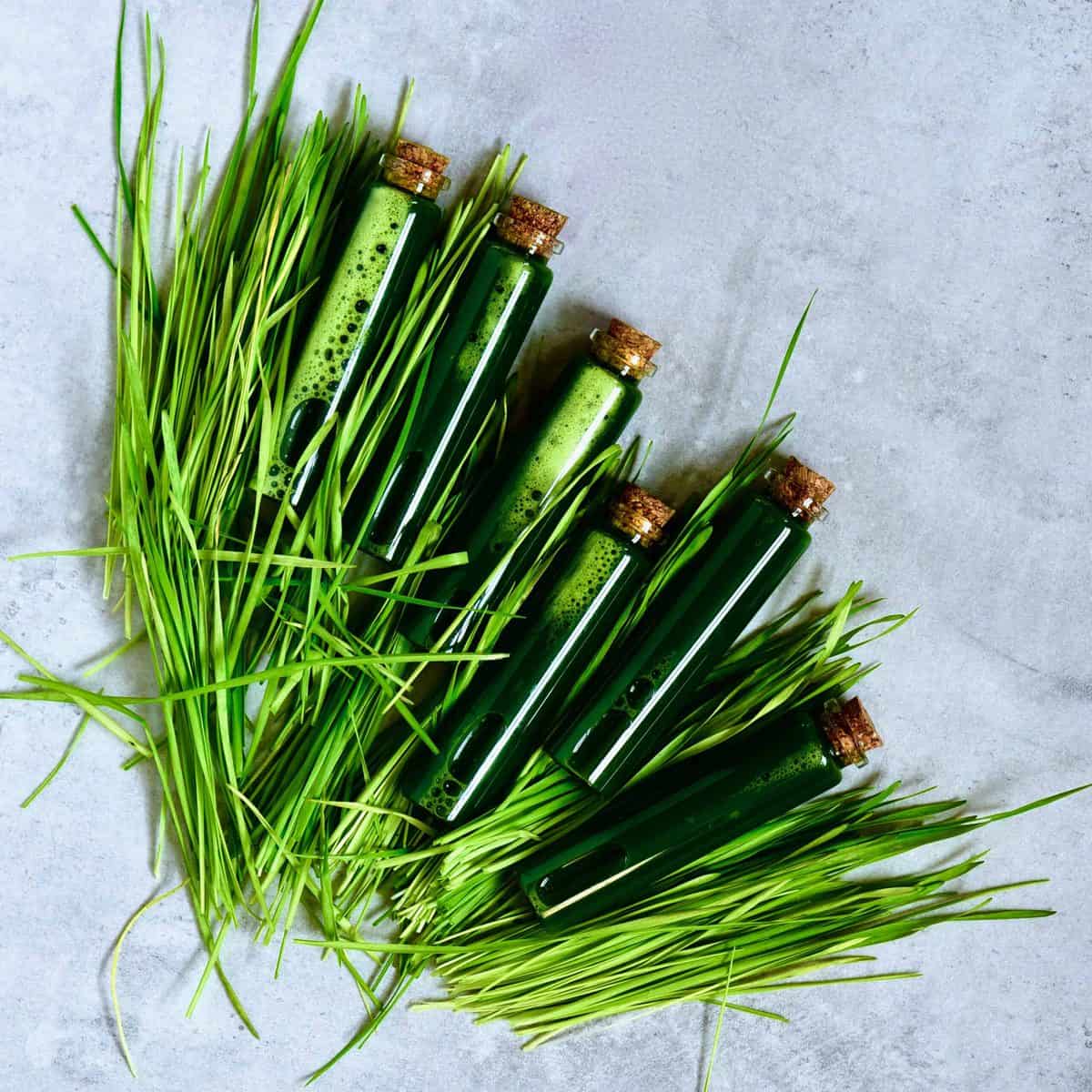
Wheatgrass for Beginners: Your Guide to Making Shots & Avoiding Side Effects
In an increasingly health-conscious world, the quest for natural vitality often leads us to explore powerful superfoods. Among these, wheatgrass stands out as a vibrant green elixir, packed with nutrients and celebrated for its potential health benefits. If you've been curious about incorporating this potent green into your diet, particularly in the form of concentrated shots or refreshing juice, you're in the right place. This comprehensive guide will walk you through how to make wheatgrass shots and juice at home, offer insights into its unique properties, and, crucially, provide practical tips for beginners to navigate its intense flavor and avoid common side effects.
What is Wheatgrass, Anyway? (and Why Drink It?)
Wheatgrass is quite simply the young, freshly sprouted leaves of the common wheat plant, typically harvested when it's just 1-2 weeks old. At this tender stage, it's a nutritional powerhouse, brimming with chlorophyll – the pigment that gives plants their green color and is often referred to as "liquid sunshine" due to its molecular similarity to human blood hemoglobin. Beyond chlorophyll, wheatgrass is a rich source of vitamins (A, C, E, K, and B complex), minerals (iron, calcium, magnesium), amino acids, and enzymes.
For centuries, wheatgrass has been revered in various wellness traditions for its impressive health-promoting properties. Enthusiasts champion its ability to support detoxification, boost the immune system, aid digestion, and provide a natural energy lift. Its deep green color is a testament to its nutrient density, making it a compelling addition for those seeking to enhance their overall well-being. To dive deeper into the full spectrum of benefits, you can explore our article on Wheatgrass Benefits & DIY Juice: Detox Your Body Easily.
Preparing Your Fresh Wheatgrass for Juicing
The journey to a refreshing wheatgrass shot begins with quality produce. While many health food stores offer fresh wheatgrass, cultivating it at home is a popular and cost-effective option. Regardless of its origin, a few preparation steps ensure the best results:
- Source It: Whether you've grown your own (which is highly recommended for freshness and cost savings) or purchased it from a store, ensure your wheatgrass is vibrant green and free from any yellowing or wilting.
- Clean Thoroughly: Rinse your wheatgrass under cool running water to remove any dirt, dust, or potential contaminants. Gently shake off excess water.
- Measure & Cut: For a typical shot (around 30-60ml), you'll need a handful of wheatgrass. As a general guide, approximately 300 grams of fresh wheatgrass can yield about 200-250 ml of pure juice. Use sharp kitchen shears or a knife to cut the blades into smaller, manageable pieces – this makes it easier for both juicers and blenders to process.
How to Make Wheatgrass Shots and Juice: Two Primary Methods
When it comes to extracting the verdant goodness from wheatgrass, you have two main options: a dedicated juicer or a standard blender. Each method has its pros and cons, especially for beginners.
Method 1: The Juicer for Potent Purity
For those serious about maximizing nutrient extraction and consuming wheatgrass in its most concentrated form, a juicer (especially a slow masticating juicer) is the preferred tool. It effectively presses and grinds the grass, separating the fiber from the liquid, resulting in a pure, undiluted shot.
What you'll need:
- Freshly cut wheatgrass
- A masticating or twin-gear juicer
- A small glass or shot glass
Steps:
- Prepare the Juicer: Assemble your juicer according to the manufacturer's instructions. Place a collection glass under the juice spout.
- Feed the Wheatgrass: Turn on your juicer. Take small handfuls or strands of wheatgrass and feed them slowly into the juicer's chute. Avoid overloading the machine; feed it gradually to ensure efficient extraction.
- Collect the Juice: Watch as the vibrant green juice flows into your glass. The juicer will separate the fibrous pulp into another container.
- Serve Immediately: Wheatgrass juice is best consumed fresh to retain its maximum nutritional value.
The advantage of using a juicer is its efficiency in extracting the purest, most concentrated juice, leaving behind a dry pulp. This method yields a more potent product, ideal for those seeking the full strength of wheatgrass.
Method 2: The Blender for Beginner-Friendly Sips
Don't have a juicer? No problem! A high-speed blender can still allow you to enjoy wheatgrass juice, albeit with a slightly different consistency and a need for dilution. This method is often more palatable for beginners.
What you'll need:
- Freshly cut wheatgrass
- A high-speed blender
- Filtered water
- A fine-mesh sieve, cheesecloth, or nut milk bag
- A bowl or container for straining
Steps:
- Combine Ingredients: Place your cut wheatgrass into the blender. Add a small amount of filtered water. Start with about 1/4 to 1/2 cup of water for a generous handful of wheatgrass. The water is crucial for blending and helps to create a milder taste.
- Blend Until Smooth: Secure the lid and blend on high speed for 30-60 seconds, or until the wheatgrass is thoroughly broken down and the mixture appears smooth and bright green.
- Strain the Mixture: Place your fine-mesh sieve (lined with cheesecloth if you want a smoother result) or nut milk bag over a bowl. Pour the blended wheatgrass mixture into the sieve/bag.
- Extract the Juice: Using a spoon, press down on the pulp in the sieve to extract as much liquid as possible. If using a nut milk bag, gather the top and squeeze firmly until all the liquid is expelled.
- Serve Immediately: This "juice" will be slightly diluted compared to a juiced shot, but it's an excellent way to start your wheatgrass journey.
For a more detailed comparison of these two methods, including the pros and cons of each, check out our guide on Make Wheatgrass Shots & Juice: Juicer vs. Blender Guide.
Wheatgrass for Beginners: Navigating Flavor and Avoiding Side Effects
Wheatgrass has a notoriously bold, intense, and sometimes slightly bitter flavor. For newcomers, this can be quite a shock to the palate. Furthermore, its potent detoxifying properties can sometimes lead to initial side effects as your body adjusts. Don't be discouraged; these are often temporary and manageable.
Common Side Effects and Why They Happen
When you first introduce wheatgrass to your system, especially in larger quantities, you might experience:
- Nausea or Upset Stomach: This is one of the most common reactions. Wheatgrass is a powerful detoxifier, and as it works to cleanse your system, some people experience a temporary feeling of nausea or stomach discomfort.
- Headache: Similar to nausea, headaches can be a symptom of detoxification as your body processes and eliminates toxins.
- Fatigue: While many find wheatgrass energizing, some beginners might initially feel a bit tired as their body adapts to the cleansing process.
These reactions are often a sign that the wheatgrass is doing its job, but they can be uncomfortable. The key is to start slow and listen to your body.
Practical Tips for Beginners to Minimize Discomfort
- Start Small: This is the golden rule for wheatgrass beginners. Begin with just a 1/2 shot (approximately 30ml or 1 fluid ounce) per day. Slowly increase the amount over several days or weeks as your body adjusts.
- Drink on an Empty Stomach: Many experts recommend consuming wheatgrass juice first thing in the morning, on an empty stomach. This allows for optimal absorption and can help minimize nausea. Wait at least an hour before eating anything else.
- Dilute It: To temper the intense flavor and make it more palatable, especially initially, dilute your wheatgrass juice. Add it to:
- Other fruit or vegetable juices (apple, orange, carrot, celery)
- Smoothies (blend with banana, berries, spinach, or kale)
- A glass of water with a squeeze of lemon
This "dilution" strategy also effectively reduces the concentration, making it easier for your system to handle.
- Consistency Over Quantity: It's better to consistently consume small amounts than to go all-in and then give up due to discomfort. Regular, moderate intake will yield better long-term results.
- Stay Hydrated: Drink plenty of water throughout the day, especially when starting wheatgrass, to support your body's detoxification processes.
- Fresh is Best: While wheatgrass powder is available, fresh juice is generally preferred for its superior nutritional value. If you use powder, ensure it's from a reputable source and follow recommended dosages.
Integrating Wheatgrass into Your Daily Routine
Once you've mastered the art of making wheatgrass shots and found your comfortable dosage, integrating it into your daily routine becomes effortless. Many find that a morning wheatgrass shot becomes a cherished ritual, a potent kickstart to the day. Beyond direct consumption, consider these creative ways to use your freshly extracted juice:
- Green Smoothies: A spoonful of wheatgrass juice can elevate any green smoothie, adding a nutritional punch without overpowering other flavors.
- Health Shots: Combine wheatgrass with ginger, lemon, and a touch of cayenne for a powerful immune-boosting shot.
- Salad Dressings: Whisk a small amount of wheatgrass juice into your homemade vinaigrettes for an extra layer of flavor and nutrients.
- Topical Applications: Beyond ingestion, wheatgrass can be used externally. Apply it to soothe skin irritations, reduce scarring, or alleviate insect bites and scratches.
Conclusion
Embracing wheatgrass can be a transformative step on your wellness journey. With its incredible nutrient profile and detoxifying power, it offers a simple yet profound way to boost your daily health. By understanding how to make wheatgrass shots and juice using either a juicer or a blender, and by following our beginner-friendly tips for managing its potent flavor and avoiding initial side effects, you can confidently integrate this "liquid sunshine" into your life. Start small, listen to your body, and enjoy the vibrant benefits that fresh wheatgrass has to offer.
